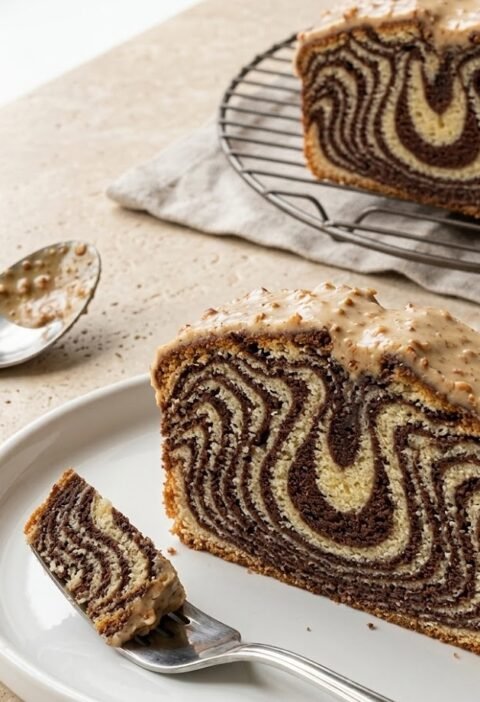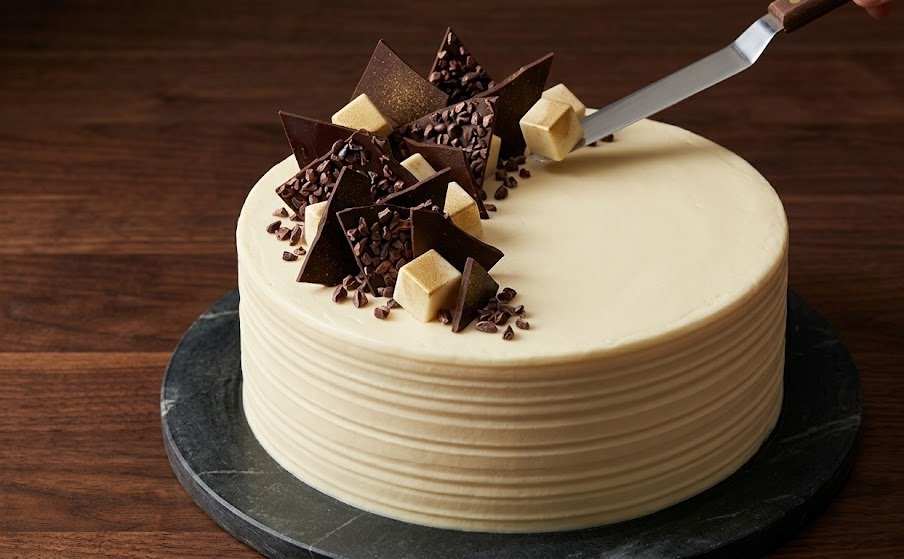
This classic butter icing is the sort you reach for again and again: soft, light, and beautifully spreadable, with a sweet vanilla finish and a silky mouthfeel. It is quick, beginner-friendly, and ideal for sandwiching cakes, swirling onto cupcakes, or smoothing over traybakes. There’s no cooking involved, just a good beat and a quick consistency check. Total time is about 10 minutes.
Ingredients
For the butter icing
- 100g unsalted butter, softened
- 200g icing sugar, sifted
- 1 tsp vanilla extract
- 1–2 tbsp milk (or a little boiling water), as needed
- Pinch of fine salt (optional, helps balance the sweetness)
Optional flavouring and colour
- 1–2 tsp lemon juice (reduce the milk slightly if using)
- 1 tbsp cocoa powder, sifted (add with the icing sugar)
- Gel food colouring (a tiny amount goes a long way)
How to Make Mary Berry Butter Icing
- Prepare the oven: You do not need the oven for butter icing. If you are baking a cake or cupcakes to ice, follow your baking recipe and make sure everything is completely cool before you start icing.
- Mix the base: Beat the softened butter in a bowl for 1–2 minutes until smooth and a little paler. This step makes the icing feel lighter and less heavy on the tongue.
- Add the sugar safely: Add the sifted icing sugar in two additions. Start mixing on low speed (or by hand) so you do not end up in a sugar cloud, then increase the speed and beat until fluffy.
- Baking: There is no baking involved here. Your job is simply to beat until the icing is smooth, creamy, and lump-free.
- Adjust and flavour: Beat in the vanilla (and salt, if using). Add milk a teaspoon at a time until the icing is spreadable. For piping, keep it a touch firmer so it holds its shape.
- Cooling: If your kitchen is warm and the icing feels too soft, chill it for 10 minutes, then beat again briefly. Always ice cakes only once they are completely cool to avoid melting.
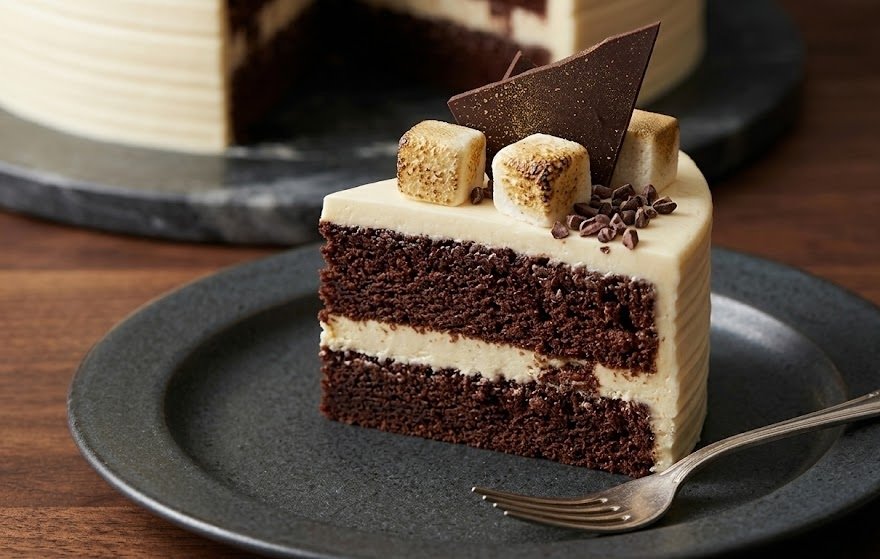
- Assemble and decorate: Spread onto cakes with a palette knife, or spoon into a piping bag and swirl onto cupcakes. Smooth for a simple finish or use a star nozzle for definition.
Tips
Why is my butter icing grainy?
Graininess is almost always from unsifted icing sugar or butter that was a bit too cold. Sift the sugar and make sure the butter is properly soft, then beat for another minute. If you still feel grains, add 1 teaspoon of milk and beat again.
How do I fix butter icing that’s too stiff to spread?
Add milk (or a little boiling water) a teaspoon at a time. Beat well between additions so you do not over-loosen it. The goal is soft peaks for spreading, and a slightly firmer finish for piping.
How do I fix butter icing that’s too runny?
Chill it for 10–15 minutes, then beat again. If it still feels loose, sift in a little extra icing sugar (25g at a time) until it holds its shape.
How can I make it lighter and less sweet?
Beat the butter thoroughly before adding sugar, and add a tiny pinch of salt. You can also swap vanilla for lemon juice, which cuts the sweetness nicely. Keep in mind that butter icing is meant to be sweet, so small tweaks make the biggest difference.
Serving Suggestions
- Sandwich between two sponge layers with jam for a simple celebration cake
- Swirl onto vanilla cupcakes and finish with sprinkles or fresh berries
- Spread over a traybake and top with desiccated coconut or chopped nuts
- Use as a thin crumb coat before a final layer of icing for a neater finish
Storage
Room temperature
Store in an airtight container for up to 2 days in a cool room. If it has been used on a cake with fresh cream or fresh fruit, follow the storage needs of the cake instead.
Refrigerator
Refrigerate in an airtight container for up to 1 week. Let it come back to room temperature, then beat briefly to restore the creamy texture before using.
Freezing
Freeze in a sealed container for up to 3 months. Defrost overnight in the fridge, bring to room temperature, then beat again. If it looks slightly split at first, keep beating and it will usually come back together.
Nutrition
- Calories: 130 kcal
- Carbohydrates: 16 g
- Protein: 0.2 g
- Fat: 7 g
- Saturated fat: 4.5 g
- Sodium: 20 mg
Nutrition values are estimates and will vary depending on the exact ingredients and portion size.
FAQs
How much butter icing do I need for a 2-layer 20cm (8-inch) cake?
As written, this recipe is enough for 12 cupcakes or a thin filling layer. For a generous filling and a light covering on a 2-layer 20cm cake, make a double batch (200g butter and 400g icing sugar) and adjust milk as needed.
Can I pipe this butter icing onto cupcakes?
Yes. Keep it slightly firmer by using less milk, and beat it well so it holds a clean swirl. If it softens in a warm kitchen, chill the piping bag for 10 minutes, then continue.
Can I colour butter icing?
Yes. Use gel food colouring for the best colour without thinning the icing. Add a tiny amount with a cocktail stick, beat well, and build up slowly until you like the shade.
Why did my butter icing split or look curdled?
This can happen if the butter was too cold, or if you added liquid too quickly. Let the bowl sit at room temperature for 10 minutes, then beat again. If needed, warm the outside of the bowl with your hands while mixing to bring it back together.
Can I make butter icing ahead of time?
Absolutely. Make it up to a week ahead and refrigerate in an airtight container. Bring back to room temperature and re-whip briefly before spreading or piping.
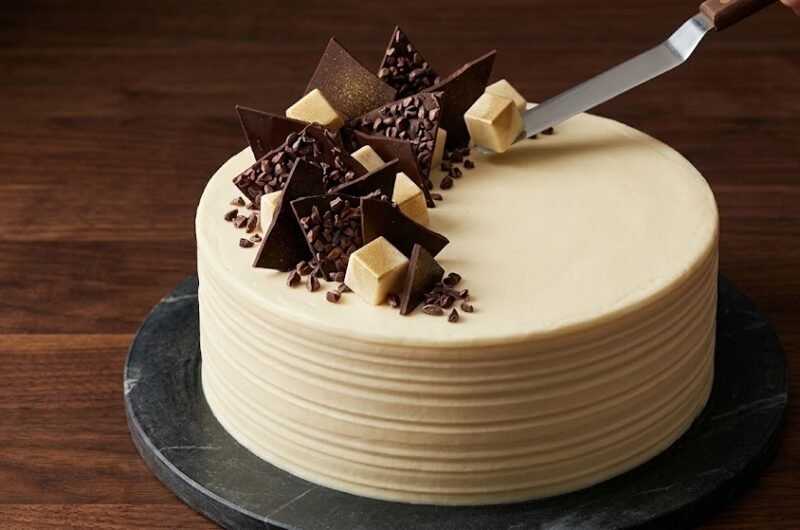
Mary Berry Butter Icing Recipe
Course: DessertCuisine: BritishDifficulty: Easy12
cupcakes10
minutes10
minutes130
kcalA simple, silky vanilla butter icing made with softened butter and icing sugar. Perfect for cupcakes, traybakes, and sandwich cakes.
Ingredients
100g unsalted butter, softened
200g icing sugar, sifted
1 tsp vanilla extract
1–2 tbsp milk (or boiling water), as needed
Pinch of fine salt (optional, balances sweetness)
Directions
- Bring the butter to room temperature so it feels soft when pressed, but not melted.
- Beat the butter for 1–2 minutes until paler and smooth.
- Add the sifted icing sugar in two additions, beating on low at first, then increasing the speed until light and fluffy.
- Beat in vanilla extract and a pinch of salt, if using.
- Trickle in 1–2 tablespoons of milk (or a little boiling water) until you reach a soft, spreadable or pipeable consistency.
- Use immediately to ice a fully cooled cake, or store as directed and re-whip briefly before using.
Notes
- Sift the icing sugar for the smoothest finish, especially if you plan to pipe.
- For a slightly lighter texture, beat the butter well before adding the sugar.
- If the icing is too soft, chill for 10 minutes, then beat again.